
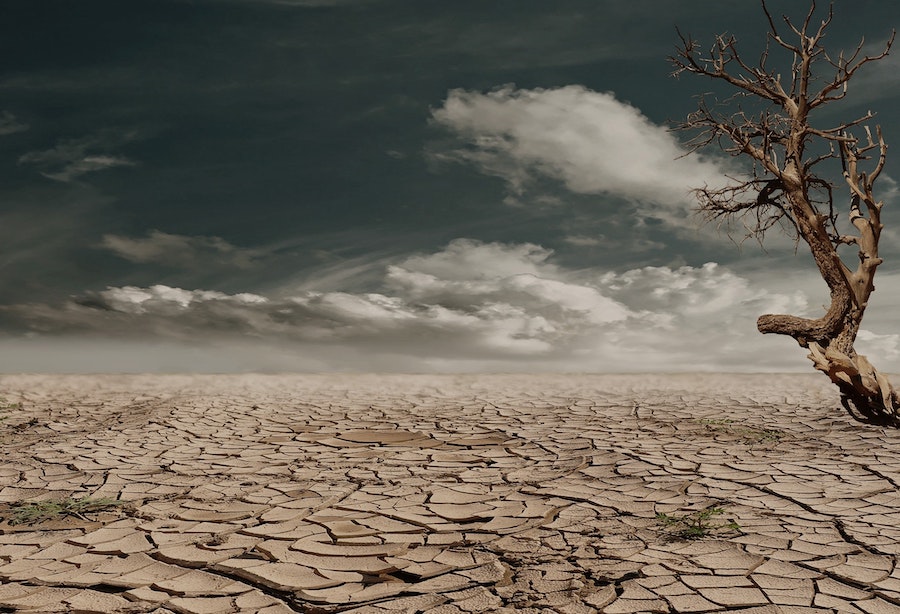
Climate change is an issue that has become increasingly urgent in recent years. It is caused by the buildup of the greenhouse gases in the atmosphere, primarily because of humans such as burning fossil fuels and deforestation. The climate change effects are being felt already worldwide, from more frequent and severe weather events to rising sea levels and ocean acidification.
The urgency of global climate preservation cannot be overstated. If we do not take action to diminish greenhouse gas emissions and mitigate the influence of climate change, we risk irreparable damage to our planet and its ecosystems.
- Rising Temperatures
Global temperatures are increasing at an alarming rate, causing glaciers and ice caps to melt, sea levels to rise, and weather patterns to become more extreme. This increase in temperature can lead to more droughts, wildfires, and other natural disasters, threatening both human life and wildlife.
- Loss of Biodiversity
Climate change is causing biodiversity loss as species struggle to adapt to changing environmental conditions. This biodiversity loss can have cascading effects on ecosystems, leading to decreased food security and economic instability.
- Public Health
Climate change can also have significant impacts on public health. Rising temperatures can spread diseases, while extreme weather events can cause injury and death. Poor air quality from increased pollution can also exacerbate respiratory problems and other health issues.
- Economic Costs
Climate change can have significant economic costs, from damage to infrastructure and property to loss of productivity and reduced agricultural yields. In the long run, the costs of inaction on climate change will likely be greater than the costs of taking action now.
- Conclusion
The urgency of global climate preservation must be addressed. We need to be taking action to alleviate the impacts of climate change, and make the transition to a sustainable, low-carbon economy. This will require collective action at all levels, from individual choices to government policies and international cooperation.